Your Laptop, Their Suburb: Why Remote Workers Are Setting Up Shop in Kodaira
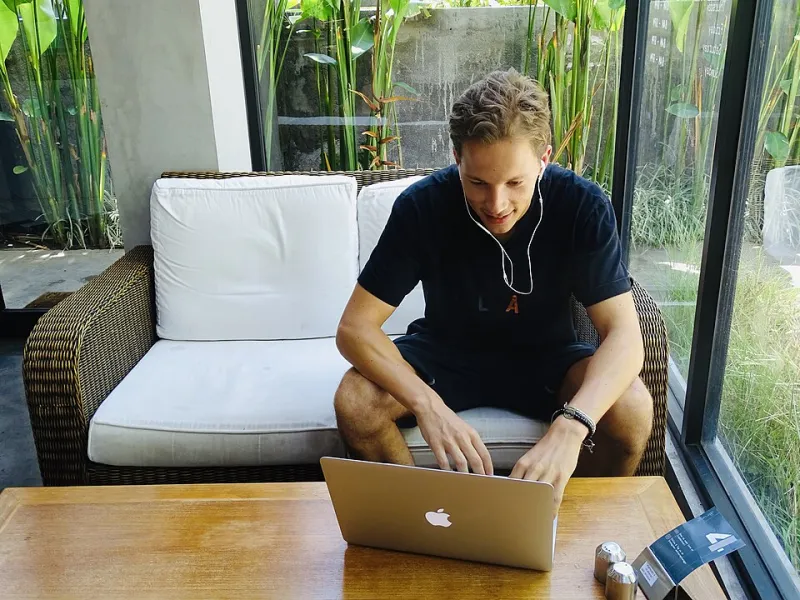
Photo: DominikaMiazek, CC BY-SA 4.0, via Wikimedia Commons
Let's be honest about something: working remotely from Japan sounds like an incredible life upgrade until the Tokyo rent calculator opens and you realize your "budget" gets you a studio with a kitchen that doubles as a hallway. The fantasy of living in Japan while keeping your US salary doesn't have to die there — it just needs a slight geographic adjustment.
About 30 minutes west of Shinjuku, Kodaira has been quietly accumulating a community of remote workers, freelancers, and location-independent employees who figured out that you can have most of what makes Tokyo great — culture, food, transit access, safety — without paying for the postcode.
This isn't a secret anymore, exactly, but it's not overrun either. That window tends to close. Here's what the scene looks like right now.
The Housing Math Actually Works
Kodaira's biggest selling point for remote workers isn't a co-working space or a great coffee shop (though both exist). It's square footage at a price that doesn't require creative accounting.
Where a one-bedroom apartment in central Tokyo neighborhoods like Minato or Shinjuku can run ¥150,000–¥200,000+ per month (roughly $1,000–$1,400 USD at current rates), Kodaira regularly offers comparable or larger units in the ¥70,000–¥100,000 range. That's a meaningful difference when you're working in dollars or euros and spending in yen.
More practically: you get room to actually work. A dedicated desk. A door you can close. Space that doesn't require you to fold away your sleeping situation before you can open your laptop. For remote workers, that's not a luxury — it's a functional requirement.
The apartment stock skews toward older builds, which means you'll sometimes deal with thinner walls or less modern kitchens, but it also means more character and more negotiating room on rent. Newer units exist too, particularly closer to the main station areas.
Internet: Don't Worry About It
One of the first questions remote workers ask about any potential base is connectivity, and in Kodaira, this is genuinely not a concern. Japan's residential internet infrastructure is excellent across the board, and Kodaira is no exception. Fiber connections delivering 1Gbps speeds are standard and affordable — typically bundled into apartment costs or available for around ¥4,000–¥5,000 per month as a standalone service.
Mobile data is similarly reliable. The major carriers (NTT Docomo, SoftBank, au) all provide strong coverage throughout Kodaira, and if you're doing most of your work from a home setup, you'll likely only need a modest data plan for when you're out and about.
Video calls, large file transfers, cloud-based workflows — all of it functions smoothly here. Cross that off the worry list.
Where to Work When Home Gets Stale
Even the most committed homebodies eventually need a change of scenery. Kodaira's co-working infrastructure is modest compared to central Tokyo, but it's growing, and what exists tends to be well-run and genuinely affordable.
Several neighborhood cafes have evolved into unofficial remote work hubs — places where the staff knows the deal, the WiFi password is on a card at the counter, and nobody's going to side-eye you for nursing a coffee for three hours. These spots tend to be more comfortable and less performatively trendy than their counterparts in Daikanyama or Harajuku, which is either a plus or a minus depending on your personality.
For more structured workspace needs, nearby Kokubunji and Tachikawa (both a short train ride away) offer more developed co-working options with dedicated desks, private offices, and meeting room access. Many Kodaira-based remote workers treat these as their "office day" destinations while keeping home as their primary setup.
The Work-Life Balance Argument
Here's the case that remote workers who've made the move tend to make most passionately: Kodaira gives you back time.
In central Tokyo, even errands become events. Crowds, noise, the relentless stimulation of one of the world's densest urban environments — it's exhilarating for tourism and genuinely exhausting for daily life. Kodaira is quieter. The streets are walkable. There are parks. You can hear yourself think.
For remote workers, especially those dealing with time zone challenges (early morning calls with US teams, late-night syncs with European clients), having a calm home base isn't a small thing. The mental bandwidth you're not spending on sensory overload goes somewhere more useful.
Several American remote workers living in Kodaira describe a rhythm that would be difficult to maintain in central Tokyo: morning work block, midday walk or errand run, afternoon focus session, evening out in the neighborhood. The city's scale makes that kind of intentional structure easier to maintain.
Building Community Without Trying Too Hard
One legitimate concern for remote workers anywhere is isolation — and Japan, with its language barrier and famously reserved social culture, can amplify that feeling for newcomers.
Kodaira's expat and international community is smaller than you'd find in Minato or Shibuya, but it's real and it's connected. International Facebook groups, language exchange meetups, and the informal network of foreign residents who shop at the same stores and drink at the same bars tend to pull people together fairly organically.
Joining a local gym, taking a Japanese class at the Kodaira International Exchange Center, or simply becoming a regular at a neighborhood spot accelerates the process considerably. Japan rewards consistency and presence — show up to the same places regularly and you'll find the social fabric opens up more than you might expect.
The Practical Stuff: Getting Set Up
Visa situation: if you're working remotely for a non-Japanese employer, Japan's Digital Nomad Visa (launched in 2024) is worth investigating — it allows stays of up to six months for qualifying applicants. For longer arrangements, other visa categories may apply depending on your situation. This is worth researching carefully or consulting an immigration specialist on.
Getting around: Kodaira is well-served by the Seibu Shinjuku Line, putting you 30 minutes from central Tokyo when you need it. A bicycle handles most day-to-day local movement easily, and many residents find a car unnecessary.
Language: functional daily life in Kodaira is very manageable without Japanese, especially with translation apps. That said, even basic Japanese makes everything smoother and earns you genuine goodwill from neighbors and shopkeepers.
Worth Considering
Kodaira isn't going to be the right fit for everyone. If you need constant access to Tokyo's nightlife, major concert venues, or the density of professional networking events that central neighborhoods offer, the commute gets old fast. And if your remote work requires in-person client meetings in the city, you'll be building train time into your schedule regularly.
But if your work is genuinely location-independent and you're looking for a place to actually live rather than just survive in Japan? Kodaira makes a compelling case. The housing math works, the infrastructure holds up, and the quality of daily life — the kind measured in good food, quiet mornings, and space to breathe — is genuinely high.
That's not nothing. In fact, for a lot of remote workers, it's exactly everything.