Eating With the Seasons: A Year-Round Food Calendar for Kodaira's Best Bites

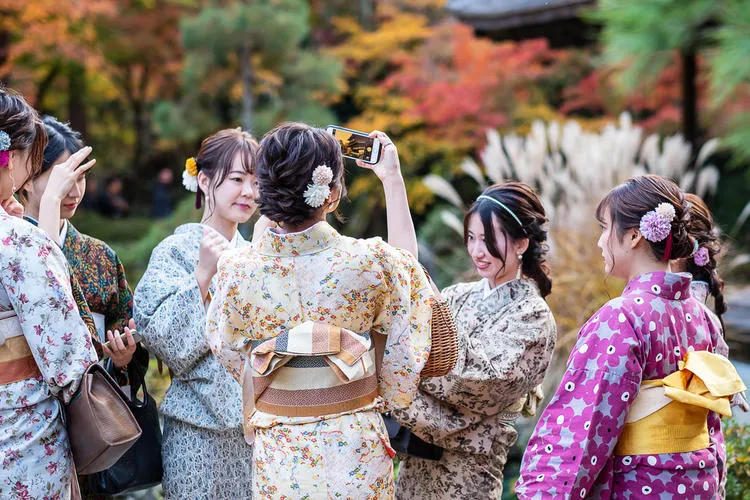
Photo: Syced, CC0, via Wikimedia Commons
Most travel guides to greater Tokyo tell you to go in spring for the cherry blossoms, then maybe return in fall for the foliage. The food advice usually follows the same script: eat ramen when it's cold, soba when it's hot, and don't miss the seasonal limited-edition Starbucks drink.
Kodaira deserves better than that.
This is a city with a genuine agricultural heritage — one that lasted well into the 20th century and still shapes how locals eat, shop, and think about food. The fields are mostly gone now, replaced by residential streets and shopping strips, but the seasonal instincts remain. Kodaira's restaurants, markets, and home cooks still operate on a food calendar that shifts meaningfully with each quarter. If you know what to look for, the city offers a completely different eating experience depending on when you arrive.
Spring (March–May): Beyond the Blossoms
Everyone knows about cherry blossom season. Fewer people know that spring in Kodaira means something specific in the kitchen.
The season starts with sansai — wild mountain vegetables — appearing in small grocery stores and at the Kodaira farmers' market. Fiddlehead ferns, butterbur shoots, and Japanese aralia tips show up in tempura, mixed into rice, or served simply blanched with a dab of miso. They taste like spring itself: slightly bitter, green in a way that feels almost medicinal after a winter of root vegetables.
By April and into May, the focus shifts to takenoko — bamboo shoots. This is a bigger deal than it sounds. Fresh takenoko has a delicate, almost sweet flavor that bears no resemblance to the rubbery canned version most Americans encounter in takeout containers. In Kodaira, you'll find it in izakayas as a simmered dish (nimono), shaved raw into salads at more adventurous spots, or folded into rice as takenoko gohan. Local residents with garden plots sometimes forage their own; the farmers' market usually has them piled high from mid-April onward.
Practical tip: The Sunday morning market near Kodaira Station is the best single stop for spring produce. Get there early — the good stuff moves fast.
Summer (June–August): Heat, Humidity, and the Vegetables That Thrive in It
Summer in Kodaira is no joke. The combination of Tokyo-area heat and humidity turns June and July into a genuine endurance test. The food adapts accordingly.
Edamame arrives in force — not the frozen supermarket kind, but fresh-picked beans still in the pod, sometimes still warm from the field. Eating them with a cold beer at one of Kodaira's small izakayas on a July evening is one of those simple pleasures that's hard to explain to someone who hasn't experienced it.
Summer is also when Kodaira's Obon festival period shapes the food scene in less obvious ways. Street stalls around local shrines serve kakigori (shaved ice loaded with flavored syrups), yakitori, and grilled corn. These aren't tourist setups — they're neighborhood affairs, and the food reflects it. The yakitori at a good shrine festival stall, cooked over actual charcoal by someone who's been doing it for decades, is genuinely excellent.
For sit-down eating in summer, look for hiyashi chuka — cold ramen noodles with toppings — on restaurant menus. It's a seasonal dish that disappears completely when the weather cools, which makes it feel like a genuine summer-only treat.
Fall (September–November): The Season Serious Food Lovers Come For
If you're the kind of traveler who plans trips around eating, fall is when you come to Kodaira.
The Japanese concept of shun — peak seasonal eating — reaches its peak expression in autumn. Matsutake mushrooms appear in higher-end restaurants and specialty grocery stores, priced accordingly (this is a luxury ingredient even in Japan). More accessible are the shimeji and maitake mushrooms that show up everywhere from convenience store onigiri to multi-course kaiseki menus.
Satoimo — Japanese taro — becomes a staple. It's starchier and earthier than the Hawaiian variety most Americans know, and it shows up in miso soup, simmered dishes, and as a side in teishoku lunch sets across the city. If you see it on a menu, order it.
Fall is also sweet potato season, and this matters more in Kodaira than in most Tokyo suburbs because the city's agricultural roots included significant sweet potato cultivation. Yaki-imo — sweet potatoes roasted over stones in a small truck — appear on residential streets in October and November, announced by a recorded vendor call drifting through the neighborhood. Following that sound and buying a hot yaki-imo on a cool fall evening is one of those Kodaira experiences that doesn't make any guidebook but absolutely should.
Winter (December–February): Comfort Food as a Local Art Form
Winter in Kodaira is cold and often gray, and the food responds with warmth and weight.
Nabe — Japanese hot pot — moves from occasional dinner option to near-daily reality for many local households. Restaurants lean into it too. You'll find shabu-shabu spots, chanko nabe (the hearty stew associated with sumo wrestlers), and regional nabe variations cycling through menus. The communal, slow nature of nabe eating suits the season and reflects something genuinely important about Japanese food culture: eating isn't just about the food, it's about the time spent around it.
Oden — a simmered dish of daikon, fish cakes, tofu, and eggs in a light dashi broth — becomes ubiquitous. It's sold at convenience stores (yes, really, and it's better than it sounds), at dedicated oden restaurants, and at izakayas that add it to their winter menu. It's the kind of food that's hard to get excited about in the abstract and almost impossible to stop eating once you're actually sitting in front of it on a cold night.
New Year's (osechi) brings its own elaborate food traditions, but even in the weeks before January 1st, Kodaira's markets fill with specialty ingredients that locals use to prepare traditional dishes at home. Browsing the pre-New Year's market stalls is a cultural experience as much as a culinary one.
The Bottom Line for Food-Focused Travelers
Kodaira doesn't have a Michelin-starred restaurant scene or a famous street food strip that draws visitors from across the city. What it has is something harder to find and arguably more valuable: a local food culture that still takes the calendar seriously.
When you eat here — at the right time of year, at the right kind of place — you're eating something that's genuinely connected to where and when you are. That's rarer than it sounds, even in Japan.