Cut Out the Middleman: Buying Premium Green Tea Straight from Kodaira's Farmers
Walk into Isetan in Shinjuku and you'll find beautiful tins of Japanese green tea stacked in elegant displays, each one priced like a small luxury item. The packaging is stunning. The tea inside is probably fine. But somewhere between the farm and that department store shelf, the price tripled and the farmer got a fraction of the cut.
Here's the thing most Tokyo visitors never figure out: Kodaira is sitting on a quiet but legitimate tea-growing heritage, and some of those farmers are more than happy to sell directly to you. No tin. No gift wrap. No markup. Just good tea from the people who grew it.
Why Kodaira and Tea Even Go Together
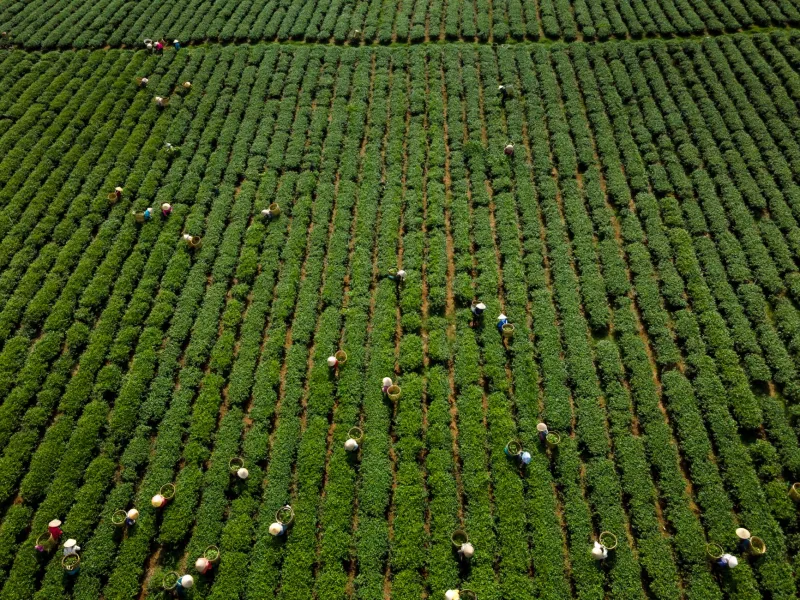
This surprises a lot of people, including some who've lived in greater Tokyo for years. When you think Japanese green tea, your mind probably jumps to Uji in Kyoto or Shizuoka Prefecture—the heavy hitters that dominate the national conversation. But the Tama region, which includes Kodaira and its surrounding cities in western Tokyo, has been producing tea for centuries. The area's volcanic Kanto loam soil and the relatively mild microclimate created by the Musashino plateau make it genuinely suitable for small-scale cultivation.
It was never going to compete with Shizuoka on volume. But volume was never the point. What grew up here instead was a culture of small family operations, some spanning multiple generations, producing tea for local consumption and direct sale. That low profile is exactly what kept prices honest.
What You're Actually Getting
The tea coming off Kodaira-area farms tends to fall into a few familiar categories: sencha (the everyday green tea most people picture when they think of Japanese tea), gyokuro (the shade-grown, more intensely flavored variety), and bancha (a coarser, more rustic style that locals drink in enormous quantities without much ceremony). You'll also occasionally find hojicha—roasted green tea with that nutty, toasty quality that makes it so easy to drink in the evening.
Buying directly from a farmer means you're often getting tea from the current harvest season rather than something that's been sitting in a warehouse. Freshness matters enormously with green tea. That grassy, vegetal brightness fades faster than most people realize, and what you get from a local producer in the right season is a genuinely different experience from the shelf-stable stuff.
How the Direct Sale System Works Here
Kodaira's tea farmers don't exactly have neon signs out front. This isn't a tourist infrastructure—it's a local one, which is part of what makes it worth seeking out. A few different channels are worth knowing about.
Farm stands and roadside sales pop up seasonally, particularly around the first harvest in late spring (shincha season, roughly May, is the big one). If you're cycling or walking the quieter residential streets in the western parts of the city, keep an eye out for hand-lettered signs and small tables set up near residential properties. These are often cash-only, low-key affairs where the farmer or a family member is sitting out front.
Local farmers' markets are a more reliable bet if you don't want to wander. Kodaira hosts regular community market events where small producers—including tea growers—set up stalls. These markets tend to draw a mix of locals doing their weekly shopping and the occasional curious visitor who wandered over from the train station. Tea sellers at these events are usually genuinely happy to talk through what they're selling, and if your Japanese is limited, pointing and smiling still gets the job done.
Direct visits by arrangement are possible with some producers, though this typically requires a bit more legwork—reaching out in advance, ideally with some Japanese language support or a local contact who can help make the introduction. If you're in Kodaira for more than a few days and serious about the tea experience, it's worth pursuing. Some farmers will walk you through the production process, show you the plants, and let you taste multiple varieties side by side. That kind of access is genuinely rare.
What to Expect on Price
This is where things get satisfying. A 100-gram bag of decent sencha from a Tokyo department store can run you anywhere from 800 to 1,500 yen or more depending on the brand and the packaging theater involved. Buying the equivalent directly from a Kodaira producer? You're often looking at 500 to 800 yen for comparable or better quality, sometimes less for everyday-grade tea.
Gyokuro commands higher prices everywhere because of the labor-intensive shading process, but even there, cutting out the retail chain makes a noticeable difference. And you're not paying for a tin you don't need.
Making the Most of the Visit
If you're planning a day around Kodaira's tea scene, it pairs naturally with the city's agricultural side more broadly. The same western neighborhoods where tea farms tend to cluster also have vegetable plots, small orchards, and the kind of quiet residential character that feels miles removed from central Tokyo even though it's a 30-minute train ride from Shinjuku.
Bring cash. Bring a small cooler or insulated bag if you're buying in quantity—fresh tea doesn't love heat. And bring some patience with the language barrier; most of the farmers you'll encounter aren't running tourist operations, so interactions may be brief and gestural. That's fine. The tea speaks well enough on its own.
A Note on Shincha Season
If you have any flexibility in your travel timing and green tea is genuinely on your agenda, orienting a trip around shincha—the first flush harvest of the year, typically in early to mid-May—is worth serious consideration. The tea produced from those first young leaves of the season has an intensity and freshness that's hard to describe without tasting it. Farmers are often in particularly good spirits during harvest season, the farm stands are better stocked, and the whole experience has an energy to it that you don't get buying something off a shelf in October.
Kodaira during shincha season is also just a lovely place to be—warm enough to be comfortable, the rice paddies and kitchen gardens coming back to life, the city doing its low-key thing without any particular fuss. It's not a dramatic destination. But sometimes the best food experiences aren't.