Skip the Cherry Blossom Crowds: Kodaira's Plum Season Is Spring's Best-Kept Secret
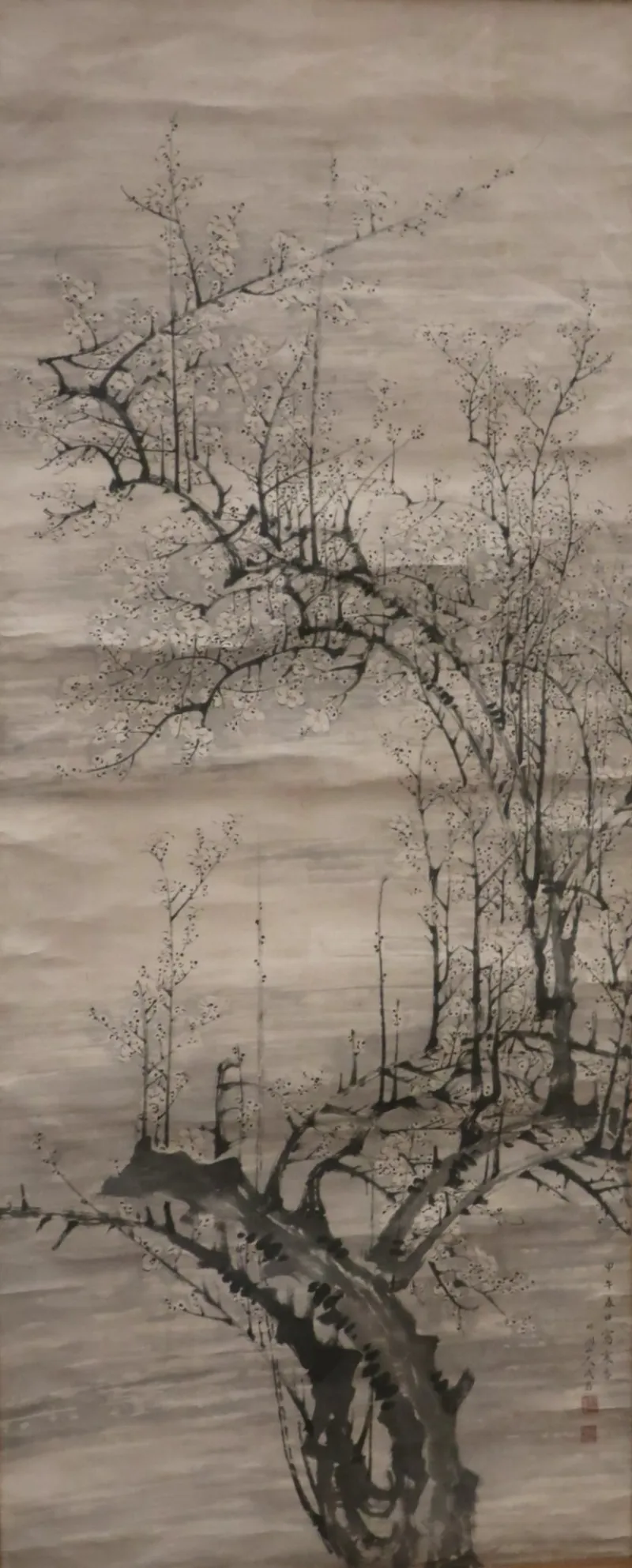
Photo: Hiart, CC0, via Wikimedia Commons
Every spring, the same thing happens. Flights into Tokyo spike. Instagram fills up with nearly identical shots of pale pink petals over temple rooftops. Travel blogs publish their ten-thousandth cherry blossom itinerary. And somewhere in the middle of all that noise, a quieter, arguably more beautiful bloom comes and goes almost completely unnoticed by foreign visitors.
We're talking about ume — Japanese plum blossoms — and Kodaira happens to be one of the best places in the Tokyo metro area to experience them without fighting through a crowd of selfie sticks.
Why Ume Actually Matters More Than Sakura
Here's a little cultural context that most tour guides skip over: in Japan, plum blossoms carry a deeper historical and emotional weight than cherry blossoms. Sakura became the dominant symbol of spring relatively recently in Japan's long history, partly due to its association with the samurai class and later its promotion during the Meiji and Showa eras. Ume, on the other hand, has been celebrated in Japanese poetry and art for well over a thousand years.
The Man'yōshū, Japan's oldest anthology of poetry compiled in the 8th century, actually references ume far more frequently than sakura. Plum blossoms were seen as a symbol of resilience — they bloom in the cold, often while snow is still on the ground, pushing through late January and into March before most other flowers dare to show up. There's a reason Japanese parents still name their daughters Ume or Umeko. It's not just a pretty flower; it's a symbol of quiet strength.
For American visitors, that backstory adds a layer to the experience that a cherry blossom photo simply can't match. You're not just looking at something pretty — you're looking at something that Japanese culture has been in a long, intimate conversation with for centuries.
When to Go: The Ume Bloom Window in Kodaira
Unlike cherry blossoms, which have an almost cruelly short peak window of about a week, plum blossoms are more forgiving. In Kodaira, you can reasonably expect blooms from late January through mid-March, depending on the year's temperatures.
Early bloomers tend to appear around the last week of January — usually white-flowered varieties. By mid-February, the pink and deep red cultivars join in, and the display reaches its fullest around late February into early March. If you're planning a trip specifically for ume season, targeting the last week of February gives you the best odds of catching peak color without risking an early or late year.
A quick tip: Japan's Meteorological Corporation publishes annual bloom forecasts, and local Kodaira community boards often post updates in real time. If you're already living in the Tokyo area, keeping an eye on those in late January will help you time a day trip perfectly.
Where to Find the Best Blooms in Kodaira
Kodaira Furusato Mura
This is the spot locals will point you toward first, and for good reason. Kodaira Furusato Mura is a preserved agricultural village area that feels genuinely removed from the suburban sprawl surrounding it. The plum grove here is modest in size but remarkably photogenic — old, gnarled trees with thick trunks that look like they've been standing since the Edo period. Early morning visits on weekdays are almost eerily quiet. Bring a thermos of coffee, walk slowly, and let the place do its thing.
Musashino no Mori Park
A larger green space that borders Kodaira and runs toward Fuchu, this park has a more open, airy feel. The ume trees here are scattered throughout the grounds rather than clustered in a single grove, which means you'll stumble across blooms unexpectedly as you walk. That element of surprise is genuinely charming. The park is also large enough that even on a busy weekend, you can find pockets of calm.
Neighborhood Temple and Shrine Grounds
This one takes a little more effort but pays off. Several of Kodaira's smaller neighborhood shrines and temple compounds have mature plum trees on their grounds — trees that don't show up on any tourist map because nobody thought to put them there. If you've already done the shrine and temple walking loop covered elsewhere on this site, revisit that route in February and you'll see those same spaces transformed.
Practical Tips for American Visitors
Getting there: Kodaira is accessible via the Seibu Shinjuku Line and the Seibu Tama Lake Line. From Shinjuku, you're looking at roughly 30 to 40 minutes depending on your stop. No bullet train required, no special JR Pass needed — just a standard IC card like Suica or Pasmo.
What to bring: Ume season is still cold. Late January and February in the Tokyo area can feel a lot like a mild mid-Atlantic winter — think Washington D.C. in March, not Minnesota in January, but still genuinely chilly. A good jacket, comfortable walking shoes, and a camera with manual focus (if you have one) will serve you well. The soft, diffused light of an overcast February day is actually ideal for flower photography.
Food and timing: Pair a morning ume walk with lunch at one of Kodaira's neighborhood spots afterward. The city's local food scene — covered in depth elsewhere on this guide — rewards people who are already out exploring on foot.
Skip the weekends if you can: Even though Kodaira draws a fraction of the crowds that hit Shinjuku Gyoen or Kyoto's plum festivals, weekday mornings are still noticeably quieter. If you're a remote worker or have flexible scheduling, a Tuesday morning in late February at Furusato Mura is close to a private garden experience.
The Smarter Spring Trip
There's nothing wrong with wanting to see cherry blossoms in Japan. They're genuinely beautiful and the cultural energy around hanami is worth experiencing at least once. But if you've already done that, or if you're looking for something that feels less like a theme park and more like actually being in Japan, ume season in Kodaira is the move.
The blooms are lovely. The crowds are manageable. The cultural history is deep. And you'll come away with photographs that look nothing like what everyone else posted last March.
That feels like a pretty good trade.