Hidden in Plain Sight: How Kodaira Stays Affordable While Tokyo's Richest Neighborhoods Are Just One Train Stop Away
There's a question that comes up almost every time someone new moves to Kodaira and starts comparing notes with neighbors. It usually sounds something like: Wait, how is this still affordable?
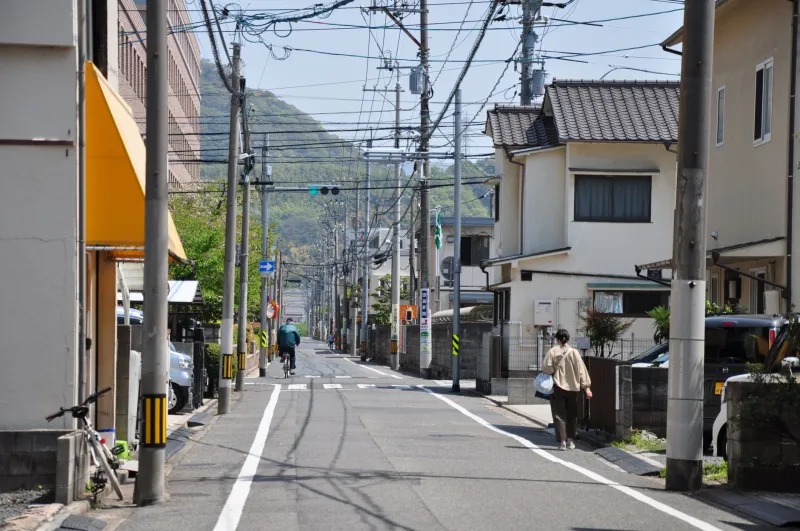
It's a fair thing to wonder. Tachikawa, one of western Tokyo's major commercial hubs, is right there. Shinjuku — the kind of place that makes Manhattan feel relaxed — is about 30 minutes by train. And yet, Kodaira sits in the middle of all this urban wealth like a neighborhood that somehow didn't get the memo about rising prices. Tree-lined residential streets. Local shotengai shopping arcades that still have actual butchers and tofu shops. Rent that won't make you cry.
So what's actually going on here?
The Geography of Being Overlooked
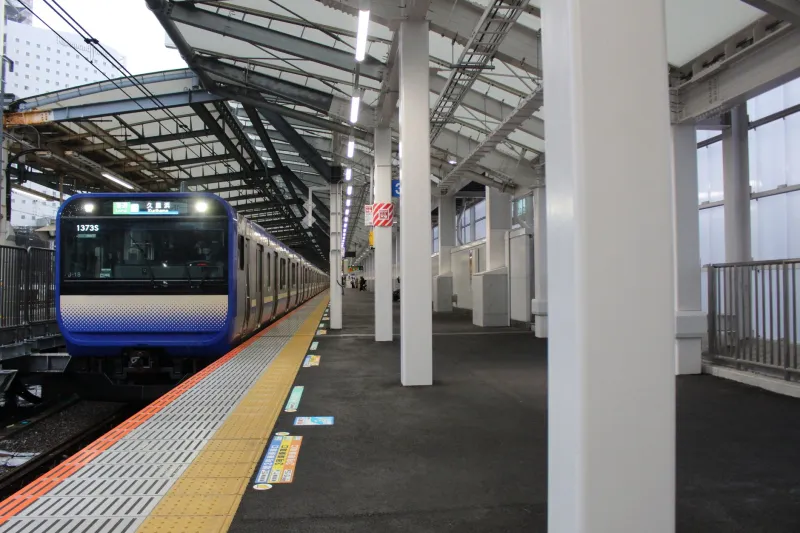
Part of the answer is structural. Kodaira doesn't have a bullet train stop, a major tourist landmark, or a flashy entertainment district. It's not on the Yamanote Line, which functions as Tokyo's circulatory system and tends to inflate property values everywhere it touches. Instead, the city is served primarily by the Seibu Shinjuku Line and the Seibu Ikebukuro Line — commuter lines that do the job efficiently but don't carry the prestige of, say, the Chuo Line.
For international visitors, that means Kodaira rarely appears on itineraries. For residents, it means the city has developed on its own terms, without the pressure to perform for tourism.
"When I moved here from Chicago about eight years ago, I kept waiting for the catch," says Mark, an English teacher who settled in Kodaira after a stint in central Tokyo. "I was paying almost half what my friends in Nakameguro were paying, and I had twice the space. I kept thinking the neighborhood was going to gentrify overnight. It just... didn't."
That's not to say nothing has changed. Kodaira has quietly modernized over the past decade. New apartment buildings have gone up near station areas. A few specialty coffee shops have appeared alongside the old kissaten. The city's parks and public infrastructure are well-maintained in the way that reflects a municipality with a solid tax base. But the fundamental character — residential, community-focused, a little under the radar — has held.
Wealth Without the Noise
Here's the part that surprises most newcomers: Kodaira is not a struggling suburb. By most measures, it's a prosperous one. Household incomes in the area tend to run above the national average. The public schools have a strong reputation. The streets are clean, the parks are genuinely used, and there's a density of community programming — sports leagues, cultural events, volunteer organizations — that you'd expect from somewhere people actually want to stay long-term.
What Kodaira doesn't have is the kind of conspicuous development that signals wealth to outsiders. No luxury retail corridor. No Michelin-starred restaurant row. No gleaming mixed-use tower with a rooftop bar that gets written up in travel magazines.
For some residents, that's a deliberate trade-off they've made consciously. For others, it's simply the environment they grew up in and never questioned.
"My parents moved here in the 1980s because it was affordable," says Naomi, a graphic designer in her late 30s who was born in Kodaira and still lives here by choice. "Now I stay because it's comfortable. The convenience is there — I can be in Shinjuku in half an hour if I need to — but I don't have to live inside that energy every day. That's worth a lot."
What the Invisibility Actually Buys You
Spend a little time talking to long-term Kodaira residents — expats and locals alike — and a consistent theme emerges. The city's low profile isn't just a passive condition. It actively shapes quality of life in ways that are hard to put a price on.
Neighborhood businesses stick around because rents haven't been driven up by foot traffic speculation. That means the ramen shop on the corner has been there for 20 years and the owner knows your usual order. The hardware store is staffed by someone who actually knows what they're selling. The community garden a few blocks from the station has been operating long enough that the regulars have genuine friendships.
For expats especially, that kind of stability can be a significant factor in feeling settled. Central Tokyo is exciting, but it can also be relentlessly transactional. Kodaira moves at a different pace.
"I've lived in four countries," says Sandra, an Australian expat who relocated to Kodaira about five years ago with her family. "This is the first place where I feel like I actually know my neighbors. Not just wave-at-the-mailbox know them. Actually know them. I think the size of the city has something to do with it, but the fact that it's not a tourist destination helps too. People here are just living their lives."
The Tension Underneath
Not everyone is entirely comfortable with how things are trending, even if the changes are subtle. A few long-term residents mentioned a low-grade anxiety about what happens if Kodaira's affordability advantage starts shrinking — not because of dramatic gentrification, but because of the slow, compounding pressure of Tokyo's sprawl.
"I worry that in ten years, the things that make this neighborhood feel like a neighborhood will be gone," Mark admits. "Not because anything dramatic will happen, but because the small shops close one by one, and then you've got another convenience store and another chain restaurant, and suddenly it's just... Tokyo suburbs, generic edition."
It's a concern that's familiar to anyone who's watched a neighborhood they loved quietly lose its edges. And it's worth sitting with, especially for people who are drawn to Kodaira precisely because of what it currently is.
Coming Here With the Right Expectations
If you're an expat weighing where to land in greater Tokyo, or a traveler curious about what life actually looks like outside the tourist circuit, Kodaira rewards a particular kind of attention. It's not going to hand you a highlight reel. The appeal is cumulative — built from small, ordinary moments that add up to something that feels genuinely livable.
The proximity to wealth without the cost of living inside it. The convenience without the noise. The community infrastructure that comes from a city that's been quietly prospering for decades without needing to announce it.
That's the real Kodaira paradox. The best thing about this city is exactly the thing that keeps most people from finding it.