Dirt Under Their Fingernails: Meet the Kodaira Residents Growing Food 30 Miles from Tokyo's Center
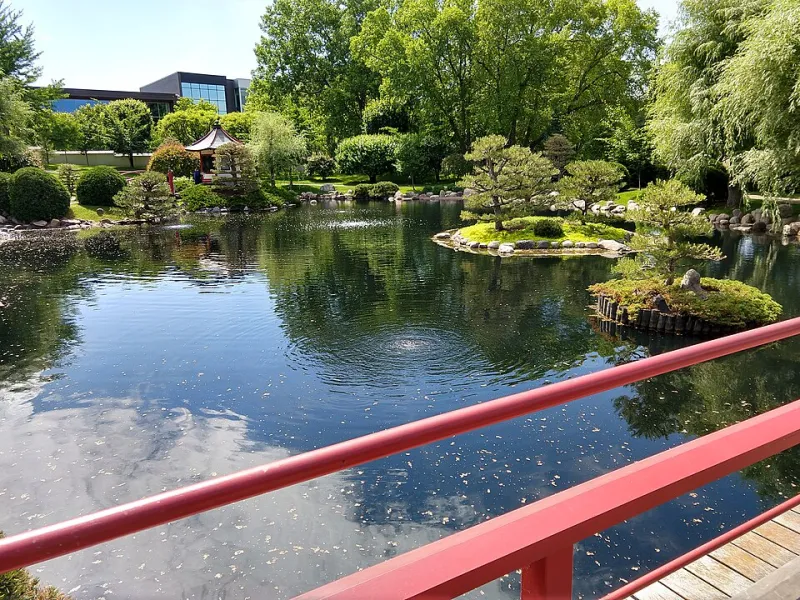
Photo: Runner1928, CC BY-SA 4.0, via Wikimedia Commons
Most people passing through Kodaira on the Seibu Tama Lake Line are watching their phones, not the window. Which is a shame, because somewhere between the station exits and the quiet residential streets, you'll catch glimpses of something you don't expect this close to one of the world's largest cities: actual farmland. Not decorative. Not a weekend novelty. Real, working agricultural space tucked between houses, along irrigation channels, and behind community centers — and the people tending it take it seriously.
Kodaira sits in the Musashino upland area of western Tokyo, and its soil has been cultivated for centuries. That history didn't disappear when the suburbs arrived. Instead, it adapted. What's happening here now is a fascinating blend of old-school Japanese agricultural tradition and a newer, more intentional movement toward food sovereignty and community connection — the kind of thing American cities spend millions trying to manufacture from scratch.
The Land That Refused to Become a Parking Lot
Urban sprawl in Japan is relentless, but Kodaira has held onto a surprising amount of green space. Part of that is zoning — certain plots are designated as agricultural land and carry tax incentives for families who keep farming them. Part of it is stubbornness, in the best possible way. Multigenerational farming families here have quietly resisted selling off plots that developers would love to turn into convenience stores or mid-rise apartments.
The result is a patchwork of working fields that you'll encounter almost accidentally. You turn a corner expecting another row of houses and instead find neat rows of daikon radishes or leafy komatsuna. It's disorienting in a wonderful way, like finding a farmers market in the middle of a strip mall parking lot — except it's been here far longer than the strip mall ever was.
Local agricultural associations, including groups affiliated with the Tokyo Metropolitan Government's urban farming programs, have been instrumental in keeping these spaces active. They connect landowners with community members who want to farm but don't have land, run educational programs for kids, and organize seasonal events that draw in residents who might otherwise have zero relationship with where their vegetables come from.
Community Plots and Who Actually Uses Them
Kodaira's allotment garden system — known in Japanese as shimin nōen — is more developed than most outsiders realize. These are small rented plots, usually between 10 and 30 square meters, where residents pay an annual fee to grow whatever they like. Waiting lists exist, which tells you something about demand.
The demographics are interesting. Yes, you'll see retired couples with immaculate rows and decades of experience. But increasingly, you'll also find younger families, including expats, who are using these gardens as a way to reconnect with food in a country where produce quality is taken seriously but agricultural participation has declined. For Americans used to the community garden boom that swept U.S. cities in the 2010s, this will feel familiar — but with a distinctly Japanese attention to detail and communal etiquette.
One thing worth noting if you're an expat considering joining: most programs operate in Japanese, and communication with plot neighbors tends to happen through posted notices and quiet nods rather than chatty introductions. That said, gardening is a universal language, and more than a few foreign residents have built genuine friendships through shared plot space.
Farming as Living History
What makes Kodaira's agricultural scene different from, say, a rooftop garden in Brooklyn or a community plot in Portland is the weight of continuity. Some of the families farming here have been doing so for generations, growing varieties of vegetables that are specific to this region and that you simply won't find in a supermarket. These aren't heirloom novelties marketed to foodies — they're just what people here have always grown.
The Edo Tokyo Kirari vegetable project, a Tokyo-wide initiative to preserve traditional local produce varieties, has a presence in Kodaira. Vegetables like neri, a type of okra historically associated with the Musashino area, are being cultivated and kept alive by farmers who understand that losing a crop variety is a kind of cultural loss, not just an agricultural one. If that sounds a little dramatic, spend an afternoon talking to one of these growers and you'll come around.
Some local farms also offer what are essentially farm experience programs — half-day visits where you can plant, harvest, or just learn how a working small farm operates. These aren't polished agritourism experiences designed for Instagram. They're practical, unglamorous, and genuinely educational. Bring clothes you don't mind getting dirty.
What This Means for Visitors (and Potential Residents)
If you're visiting Kodaira as a tourist, the agricultural side of city life isn't going to jump out at you the way shrines or restaurants might. You have to look for it a little. But once you start noticing the farms, the roadside vegetable stands, and the community plots, you'll see them everywhere — and the city starts to feel like a different place.
For Americans thinking about relocating to the Greater Tokyo area, Kodaira's relationship with food and land is one of its underappreciated selling points. The ability to rent a garden plot, buy produce directly from a neighbor's roadside box (pay what's listed, there's usually no one watching), and live in a community where food isn't entirely abstracted from its source — that's genuinely rare at this distance from a major city center.
The local JA (agricultural cooperative) branches also occasionally run markets and events that are worth attending even if you have no interest in farming. The produce is excellent, the prices are fair, and you'll get a window into a part of Kodaira life that most short-term visitors miss entirely.
The Bigger Picture
Japan has been grappling with food security, aging farming populations, and rural-to-urban migration for decades. Kodaira isn't solving those problems — it's too small and too suburban for that. But it is demonstrating something valuable: that agricultural life and urban convenience aren't mutually exclusive, and that a community can make a deliberate choice to hold onto its farming roots even when every market force is pushing in the other direction.
For a country that takes food as seriously as Japan does, that feels less like a quirky local detail and more like a quiet act of cultural preservation. And for anyone willing to look past the train stations and the convenience stores, Kodaira's fields have a lot to say.