Two Wheels, No Traffic: What Kodaira's Bike Culture Taught Me About Getting Around Japan
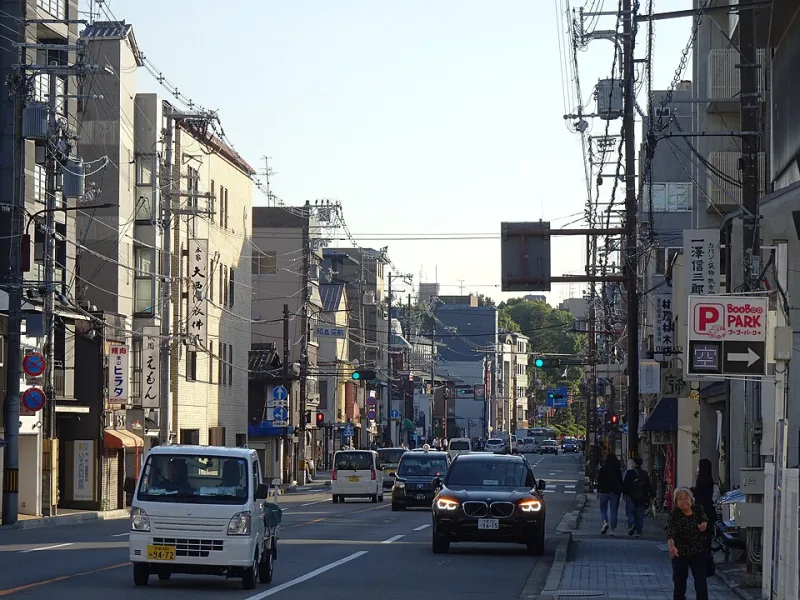
Photo: Michael Coghlan from Adelaide, Australia, CC BY-SA 2.0, via Wikimedia Commons
Back home in the States, a bicycle is either a hobby or a health kick. You load it onto a car rack, drive to a trail, ride for an hour, and drive home. The bike and the car coexist — but the car always wins.
Kodaira doesn't work that way.
Here, the bicycle isn't a weekend accessory. It's infrastructure. It's how people get the kids to school, pick up groceries, make it to the station, and grab dinner on the way back. Walk around any residential block in Kodaira on a weekday morning and you'll see what American urban planners spend careers dreaming about: a city that actually moves on two wheels.
Why Kodaira Works So Well for Cyclists
Kodaira sits in western Tokyo's Tama area — flat enough to make cycling genuinely easy, dense enough to put most daily destinations within a 10-to-15-minute ride. That geography matters. Unlike the hilly neighborhoods of, say, San Francisco or Seattle, Kodaira's terrain is forgiving. You don't need a road bike or padded shorts. A basic mamachari — the upright, basket-equipped utility bike that's become Japan's most iconic two-wheeler — handles everything just fine.
The city's road layout helps too. Many of the main arteries running through Kodaira have dedicated cycling lanes or wide enough shoulders that sharing with slow-moving local traffic feels low-stress. Side streets are narrow and quiet, naturally keeping car speeds down. It's not Amsterdam, but it's a long way from trying to bike down a six-lane American boulevard.
And then there's the parking. Every train station in Kodaira — Kodaira Station on the Seibu Shinjuku Line, Higashi-Kodaira, Ogawa — has dedicated bicycle parking lots, some free, some with a modest daily fee. Thousands of bikes fill them every weekday morning. It's one of the most visually striking things about Japanese suburban life if you're seeing it for the first time: seas of identical black and silver bikes, locked up in orderly rows, waiting for their owners to return from Tokyo.
The Social Life of the Bike Lane
What's easy to miss if you're just passing through is how much social glue cycling provides in a place like Kodaira. The bike path running alongside the Tamagawa Josui waterway, for instance, isn't just a commuter route — it's a community space. Elderly residents do their morning ride there. Parents push strollers alongside cyclists. Teenagers hang out near the benches where the path widens. On weekends, it becomes a slow-moving parade of everyday life.
Kenji, a Kodaira resident who's lived here for over a decade after relocating from Osaka, put it simply: "In a car, you're sealed off. On a bike, you wave at the same people every morning. You notice when the flower shop changes its display. You're actually in the neighborhood."
That connectedness is something a lot of American expats in Kodaira mention as one of the things that surprised them most. Coming from places where you drive everywhere, the default social setting is isolation. Cycling flips that. You're visible, you're slow enough to make eye contact, and you're sharing the same physical space as your neighbors in a way that a windshield prevents.
Practical Guide: Renting and Riding as a Visitor
If you're visiting Kodaira — or even basing yourself here for a few days while exploring the wider Tokyo area — getting on a bike is one of the best decisions you can make. Here's what you need to know.
Rental options: Several shops near Kodaira Station offer day rentals, typically in the ¥500–¥1,000 range depending on the bike type. Some guesthouses and short-term rental apartments also have bikes available for guests. It's worth asking when you book.
What to rent: Unless you're planning to cover serious distance, a standard mamachari is the right call. They're stable, comfortable for upright riding, and come with a front basket that's genuinely useful for carrying things. Electric-assist versions (denki mamachari) are increasingly common and worth the small premium if you're planning a longer day.
The rules: Japan takes cycling rules more seriously than many visitors expect. Ride on the left side of the road. Helmets aren't legally required for adults, but they're recommended. Don't ride drunk — it's illegal and enforcement is real. And lock your bike properly; theft is rare but not unheard of in busy station areas.
Where to go: The Tamagawa Josui path is the obvious starting point — flat, scenic, and easy to follow. From there, the streets around Musashino Park and the Kodaira Furusato Village area make for a pleasant half-day loop. If you want more distance, you can connect to regional cycling paths that stretch toward Tachikawa or Musashino City.
What American Visitors Usually Notice First
The most common reaction from American visitors encountering Kodaira's cycling culture isn't envy — it's disbelief. "Why doesn't it work like this at home?" is a question that comes up a lot.
The honest answer is complicated: density, zoning history, car industry lobbying, suburban design choices made in the 1950s. But Kodaira offers a useful counter-example. This isn't a European capital or a purpose-built cycling utopia. It's a working-class, mid-density suburb of a major city, and cycling works here because the built environment was designed — intentionally or not — to make it viable.
The bike isn't a statement in Kodaira. It's not a political position or a lifestyle brand. It's just how people get around. And there's something quietly radical about that.
If you visit and rent a bike for even one afternoon, you'll understand Kodaira differently than you would from the train window or the back of a taxi. The neighborhood reveals itself at 10 miles per hour in a way it never does at 60.